How the UAE’s northern emirate is redefining luxury real estate with Wynn Casino, world-class dining, and unprecedented growth potential?
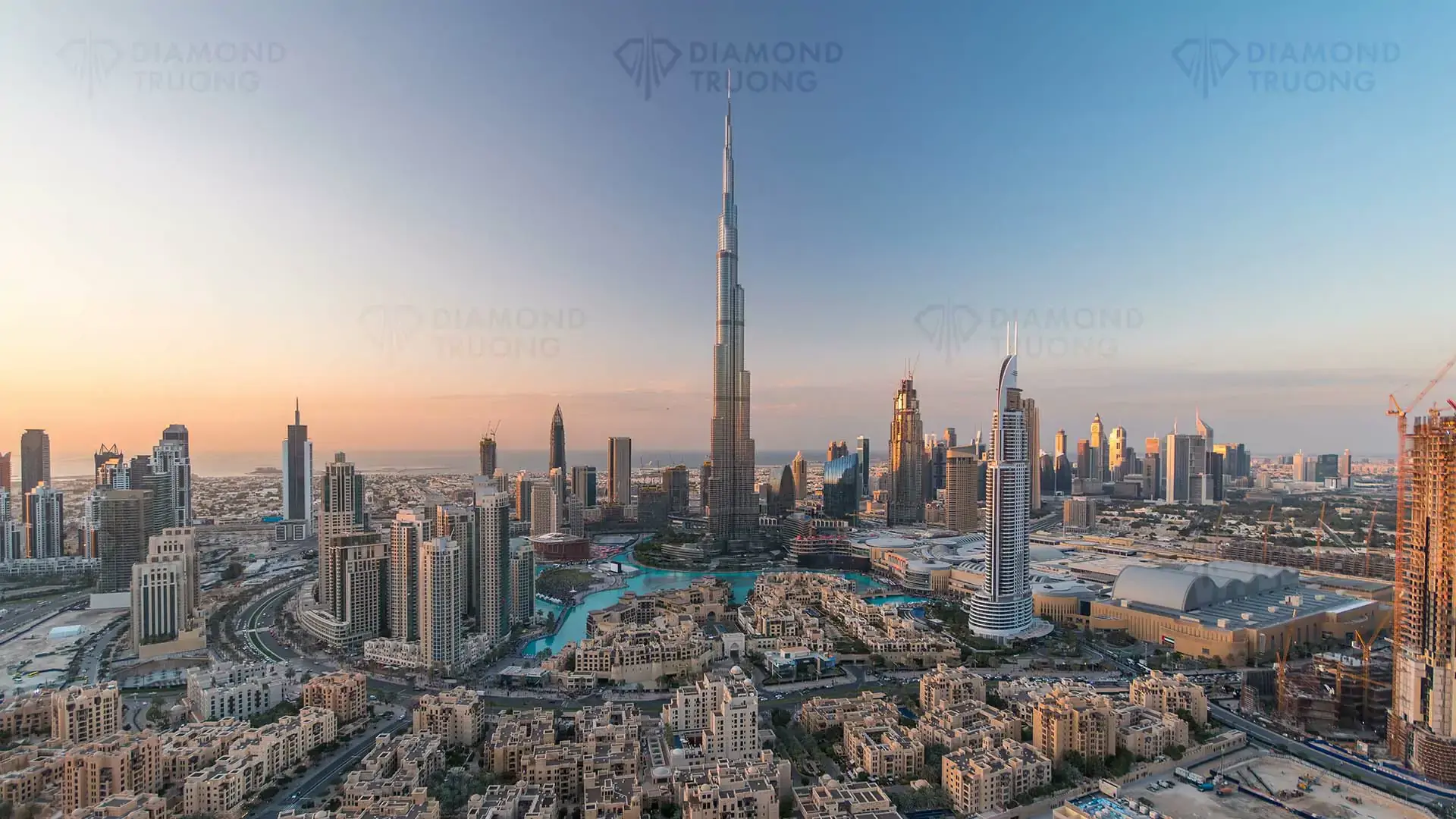
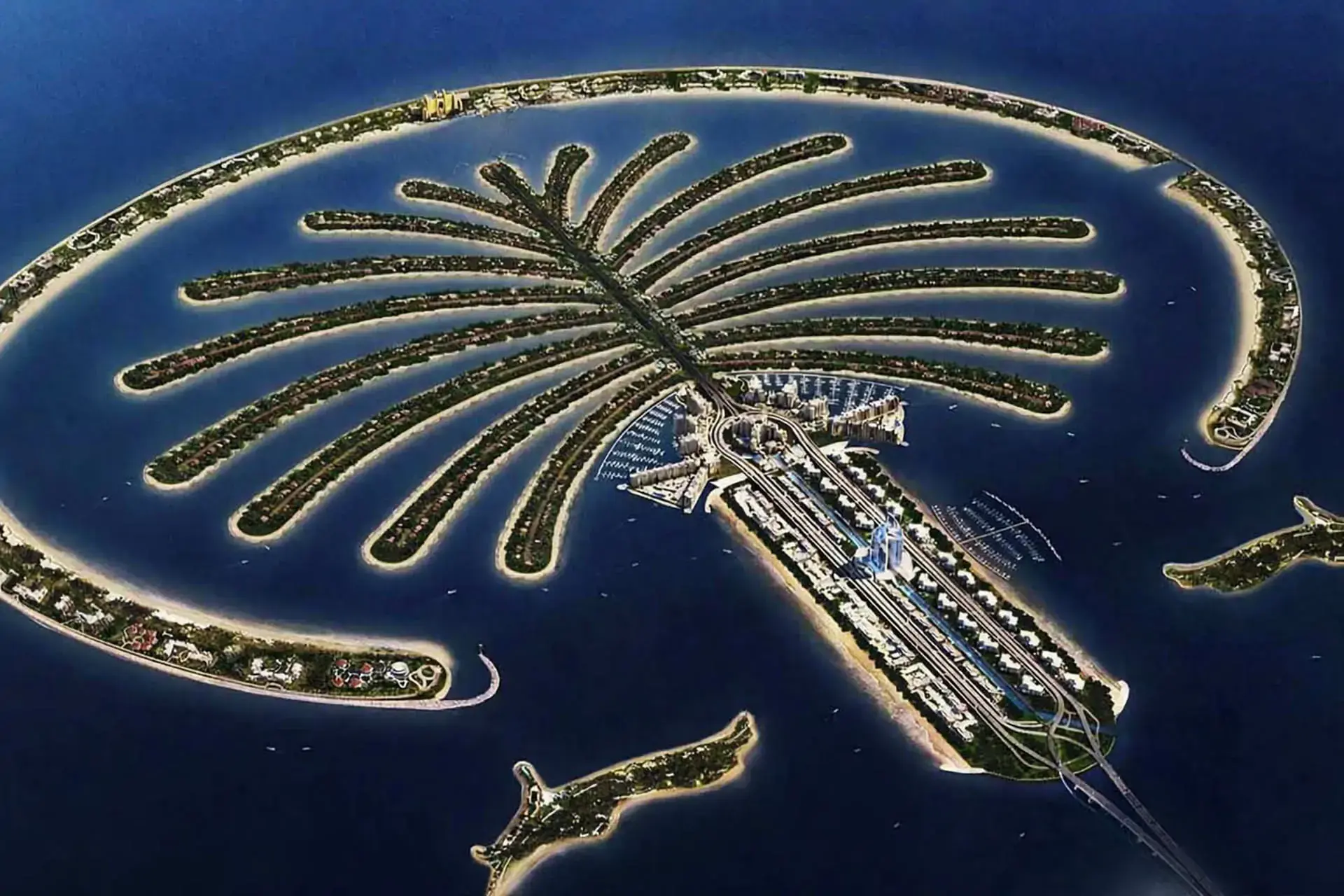
There’s a phrase I keep hearing from international investors: “The UAE doesn’t reinvent the wheel – it makes everything better.” It’s true. The UAE has built the world’s tallest building, created islands in impossible shapes, and constructed the most efficient airport hub on the planet. Now, they’re doing it again with integrated resorts and gaming. Enter Ras Al Khaimah – the emirate being positioned as the Middle East’s answer to Monaco. But here’s what makes it fascinating: while Monaco took centuries to become what it is today, RAK is compressing that transformation into a single decade.
The Monaco Comparison Isn’t Marketing Hyperbole
When people compare Ras Al Khaimah to Monaco, they’re not just talking about casinos. The parallels run deeper:
Geographic Position: Monaco sits on the French Riviera, 20km from Nice. RAK sits on the Arabian Gulf, 45 minutes from Dubai International Airport. Both are compact territories adjacent to major metropolitan areas, offering exclusivity without isolation.
Scale: Monaco is 2.02 square kilometers with 38,000 residents. RAK is larger but developing a similarly concentrated luxury zone along its coastline, focusing on high-density, high-value development.
Economic Model: Monaco built its reputation on gaming, luxury hospitality, and being a tax haven for the ultra-wealthy. RAK is now following this exact blueprint – gaming licenses granted, luxury resorts under construction, and the UAE’s zero-tax environment already established.
The difference? RAK is backed by the UAE government’s track record of actually delivering on ambitious visions. When the UAE announces a mega project, it gets built. On time. To specification. This isn’t speculative development – it’s engineered transformation.
The Wynn Resort: A Game-Changing Anchor
The Wynn Al Marjan Island resort represents more than just the UAE’s first legal casino – it’s a statement of intent about the caliber of development RAK is attracting. For context, Wynn Resorts doesn’t expand lightly. Their properties in Las Vegas and Macau are synonymous with ultra-luxury. Wynn Macau generates over $1 billion in quarterly revenue. When Steve Wynn’s company commits to a new market, it’s because they’ve identified transformational potential. The RAK property will feature:
- Over 1,000 luxury hotel rooms and suites
- A world-class casino (the first gaming license issued in the UAE)
- Multiple celebrity chef restaurants
- Luxury retail promenades
- Ultra-high-end residential components
- Conference and entertainment facilities
- Spa and wellness centers
But here’s what matters for real estate investors: Wynn doesn’t just build a resort – they create an ecosystem. Property values within proximity to Wynn Las Vegas increased 300-400% in the decade following its opening. Wynn Macau catalyzed an entire luxury residential market on Cotai. RAK is following the same playbook, except with advantages Monaco never had: unlimited construction space for expansion, modern infrastructure from day one, and direct connectivity to one of the world’s busiest international airports.
The UAE’s Pattern: Setting Records, Not Following Trends
The UAE holds a staggering number of world records:
- World’s tallest building (Burj Khalifa – 828 meters)
- World’s largest man-made marina (Dubai Marina)
- World’s largest shopping mall (Dubai Mall)
- World’s busiest international airport (Dubai International)
- World’s largest indoor theme park (IMG Worlds of Adventure)
- World’s longest driverless metro network
- World’s highest restaurant (Atmosphere, 442 meters)
This isn’t vanity. It’s strategy. Every record represents a statement: if we’re entering a market, we’re going to dominate it. When the UAE decided to build a hub airport, they didn’t build a good one – they built the world’s busiest for international traffic, handling 89 million passengers annually. When they entered luxury hospitality, they didn’t copy Vegas or Monaco – they created Atlantis The Palm, Burj Al Arab (the world’s only 7-star hotel), and now Wynn Al Marjan Island. RAK’s integrated resort district follows this pattern. The goal isn’t to compete with Monaco – it’s to surpass it by offering what Monaco cannot: space to scale, modern infrastructure, zero taxes, and geographic positioning between European and Asian markets.
What This Means for Dubai
Some investors worry that RAK’s rise might cannibalize Dubai’s market. The opposite is true. RAK’s development strengthens Dubai’s position by:
Expanding the UAE’s Appeal: Dubai attracts business travelers, families, and luxury tourists. RAK will attract high-net-worth individuals seeking gaming, ultra-luxury hospitality, and exclusive residential communities. Different audiences, complementary offerings.
Creating a Dubai-RAK Corridor: The 45-minute drive between Dubai and RAK is becoming a luxury corridor. Investors are buying in both markets – a primary residence or investment property in Dubai, plus a weekend escape or second investment in RAK. Think Manhattan and the Hamptons.
Increasing Regional Flight Connectivity: RAK International Airport is expanding to handle increased traffic. More international connections benefit the entire northern UAE, making Dubai even more accessible as a regional hub.
Justifying Infrastructure Investment: Major highway improvements, expanded public transport, and utility infrastructure serve both emirates.
RAK’s growth subsidizes regional development that elevates Dubai’s connectivity. Rather than competition, this is strategic diversification. Dubai remains the business and lifestyle capital. RAK becomes the exclusive gaming and luxury resort destination. Together, they position the UAE as an unrivaled destination offering everything from business innovation to world-class entertainment.
Current Pricing: The Opportunity Window
Here’s where it gets interesting for investors. RAK’s current pricing reflects its historical position as a quieter emirate, not its future position as a luxury gaming destination.
Current Market Snapshot:
- Luxury beachfront apartments: AED 1,200-1,800 per sq ft
- Premium villas in integrated communities: AED 1.5-3 million
- Off-plan properties near Wynn development: AED 1,000-1,500 per sq ft
- Waterfront plots: AED 150-250 per sq ft
Compare this to Dubai:
- Downtown Dubai apartments: AED 2,500-4,000 per sq ft
- Dubai Marina waterfront: AED 2,000-3,500 per sq ft
- Palm Jumeirah villas: AED 5-15 million+
RAK offers 40-60% lower entry prices for comparable quality, with significantly higher appreciation potential as the Wynn resort and surrounding developments complete.
The investment thesis is straightforward: buy at today’s prices based on RAK’s current status, benefit from tomorrow’s valuations once RAK establishes itself as the region’s premier integrated resort destination. This pricing gap won’t last beyond 2026-2027.
Projected Growth and Market Dynamics
Conservative analysts project RAK property values will increase 60-80% between 2025 and 2030. More aggressive forecasts suggest 120-150% growth, particularly for properties within 5km of the Wynn resort. These aren’t random numbers. They’re based on comparable markets:
- Macau’s Cotai Strip saw property values increase 200-300% in the decade following integrated resort development
- Singapore’s Marina Bay saw 180% residential appreciation within 10 years of Marina Bay Sands opening
- Las Vegas luxury residential near Wynn/Encore increased 300%+ from 2005-2015
RAK has several advantages these markets didn’t:
-
Zero property tax and zero capital gains tax (Macau has taxes, Singapore has significant property taxes, US has both)
-
Direct connectivity to Dubai’s airport hub (better than Macau’s access to Hong Kong)
-
Greenfield development allowing optimal master planning (unlike retrofitted urban areas)
-
Government commitment to infrastructure (UAE’s track record versus other markets)
-
Growing population base and tourism sector (see next section)
Rental yields currently sit at 7-9% in RAK versus 5-7% in Dubai. As property values appreciate, early investors will capture both rental income and capital gains – a rare combination in mature markets.
Population Growth and the 2030-2040 Vision
RAK’s current population sits around 345,000 – modest by UAE standards. But the emirate’s 2030 master plan targets 1 million residents, with 2040 projections suggesting 1.5 million. This isn’t aspirational fantasy. It’s backed by tangible development:
Infrastructure Investment: Over AED 20 billion allocated to roads, utilities, healthcare facilities, and schools through 2030. RAK International Airport expansion to handle 5 million passengers annually. Port capacity doubling for increased maritime trade.
Economic Diversification: RAK isn’t just tourism. It’s developing pharmaceutical manufacturing, ceramics production (RAK Ceramics is one of the world’s largest), and knowledge-based industries. Free zones are attracting international companies, creating employment that drives residential demand.
Tourism Targets: Pre-Wynn, RAK attracted roughly 1 million tourists annually. Post-Wynn projections suggest 3-4 million annual visitors by 2030, with many converting to short-term residential stays or permanent relocation.
Real Estate Pipeline: Over 50,000 residential units planned or under construction through 2030. This isn’t speculative oversupply – it’s calculated supply to match projected population growth. The UAE learned from Dubai’s 2008-2009 correction.
Current development is demand-driven, not speculation-driven. The 2040 vision positions RAK as a complete emirate: economic hub, tourism destination, residential community, and luxury resort territory. Early investors are positioning for this 15-year transformation, not just the immediate Wynn opening.
World-Class Dining and Lifestyle
Monaco has Alain Ducasse, Le Louis XV, and Joël Robuchon. RAK is building a similar culinary landscape, accelerated by the Wynn development. Wynn Resorts is known for recruiting Michelin-starred chefs and creating destination restaurants. Wynn Las Vegas houses multiple Forbes-rated restaurants. Wynn Macau attracted international culinary talent. The RAK property will follow this model, bringing celebrity chefs and world-renowned dining concepts. Beyond Wynn, RAK’s hospitality sector is evolving:
- Waldorf Astoria RAK – ultra-luxury beachfront resort
- Ritz-Carlton Al Hamra Beach – established luxury destination
- Anantara Mina Al Arab – wellness-focused luxury resort
- Multiple boutique properties targeting high-net-worth travelers
These aren’t just hotels – they’re anchors for destination dining. Waldorf Astoria’s restaurants attract Dubai residents for weekend dining. The Ritz-Carlton’s beach clubs draw members from across the UAE. As RAK’s restaurant scene matures, it’s becoming a culinary destination in its own right, not just a Dubai alternative. The lifestyle proposition is taking shape: world-class dining without Dubai’s crowds, luxury beach clubs with more space, Michelin-caliber restaurants with easier reservations, and an overall vibe that’s more exclusive and less frenetic than Dubai’s intensity.
The Property Landscape: What’s Actually Being Built
RAK’s real estate development is focused on several key zones:
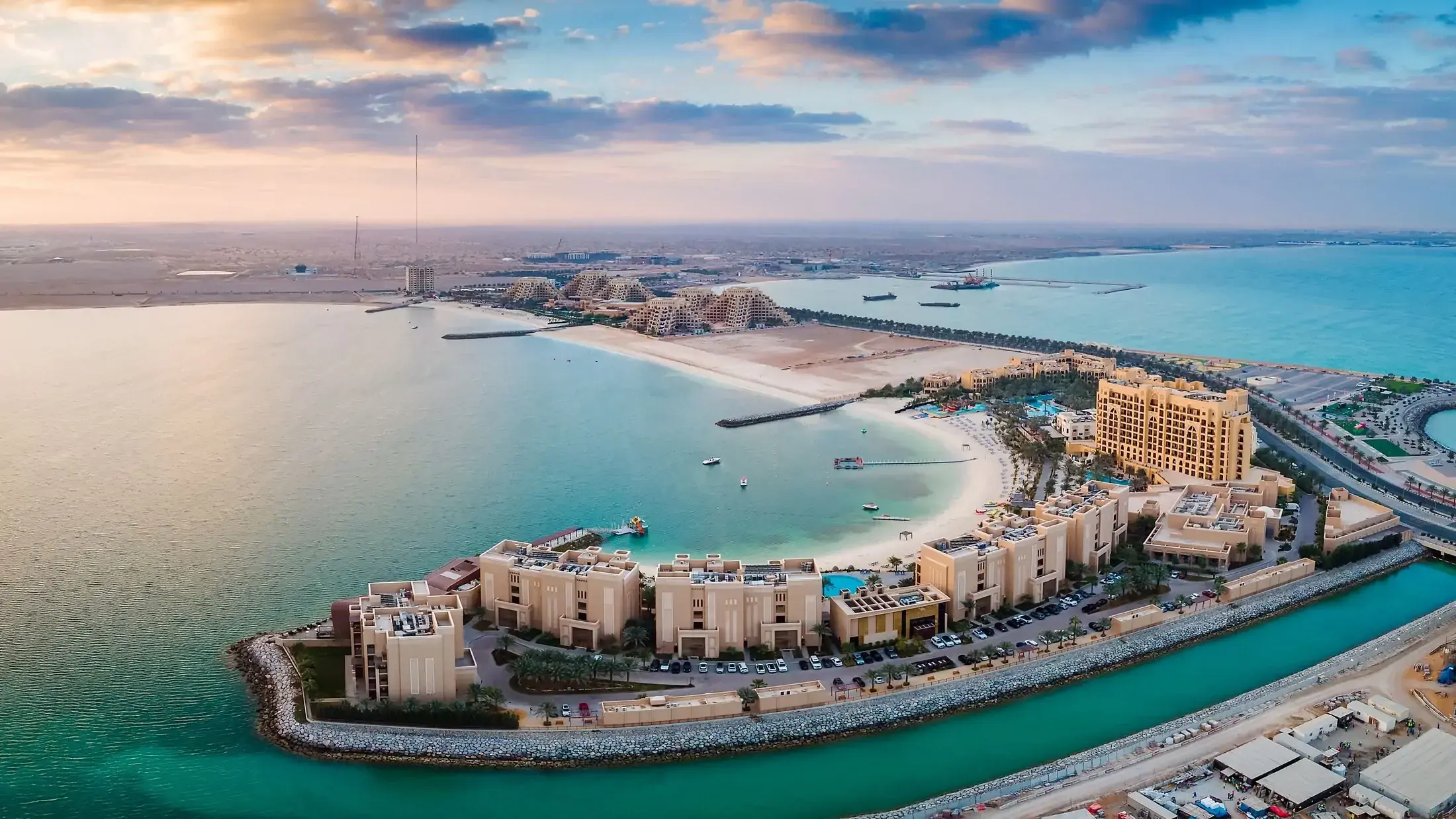
Al Marjan Island: This is RAK’s Palm Jumeirah – a series of man-made islands dedicated to luxury residential and resort development. The Wynn resort anchors the island, surrounded by branded residences, luxury apartments, and waterfront villas. Current pricing: AED 1,200-1,800 per sq ft. Projected 2030 pricing: AED 2,500-3,500 per sq ft.
Mina Al Arab: An integrated waterfront community offering a mix of apartments, villas, and townhouses. Nature-focused design with mangrove preservation, lagoons, and beach access. More family-oriented than Al Marjan Island’s resort focus. Pricing: AED 1,000-1,400 per sq ft.
Al Hamra Village: Established community with golf course, marina, and beachfront access. Offers both apartments and villas. Strong rental market due to existing amenities and proximity to RAK’s business districts. Current yields: 7-8%.
RAK Marina: Compact marina development with high-rise apartments and commercial components. More urban feel compared to beachfront communities. Attracts younger professionals and investors seeking higher rental yields (8-9%). What’s notable is the quality baseline. RAK isn’t building budget properties – even entry-level developments feature contemporary design, quality finishes, and integrated amenities. The emirate is positioning itself as exclusively mid-to-luxury, avoiding the mass-market segments entirely.
Al Hamra Golf Club: The RAK Sporting Scene
Monaco has Monte Carlo Country Club (tennis) and Monaco Grand Prix. RAK has Al Hamra Golf Club and is building a sporting identity around golf and water sports. Al Hamra Golf Club, designed by Peter Harradine, consistently ranks among the Middle East’s top courses. The 18-hole championship course features:
- Par 72 layout with strategic water hazards and desert landscape
- Clubhouse with fine dining and social facilities
- Professional coaching and academy programs
- Regular tournament hosting, including Challenge Tour events
- Stunning mountain backdrop (Jebel Jais, UAE’s highest peak)
The golf club isn’t just recreational – it’s a lifestyle anchor. Property adjacent to the course commands premiums of 20-30% over comparable properties elsewhere in RAK. Golf membership attracts affluent expatriates and provides a social network for residents. Beyond golf, RAK is developing:
- Jebel Jais adventure tourism (zip-lining, hiking, via ferrata)
- Water sports centers along the coastline (sailing, jet skiing, diving)
- Beach clubs rivaling Dubai’s offerings
- Luxury yacht marina expansion
- Desert safari experiences in Hajar Mountains
The sporting and leisure infrastructure is creating a comprehensive lifestyle proposition. Residents aren’t just buying property – they’re buying access to a curated set of experiences that rival or exceed Dubai’s offerings.
The Investment Thesis in Plain Terms
After working with investors in Dubai for years, I’m increasingly directing attention toward RAK for specific reasons:
1. Timing: Dubai’s prime areas have already appreciated significantly. Downtown, Marina, Palm Jumeirah – these are established markets with established pricing. RAK is 3-5 years behind Dubai’s curve, offering the opportunity to enter before the major appreciation cycle.
2. Value Gap: 40-60% lower prices for comparable quality. This gap will close as Wynn opens and RAK’s international profile grows. Early investors capture this convergence.
3. Catalyst-Driven: The Wynn resort is a tangible, funded, under-construction catalyst. Not a government promise or speculative plan – actual cranes in the ground. This de-risks the investment thesis considerably.
4. Portfolio Diversification: For investors already holding Dubai assets, RAK offers geographic diversification within the UAE. Different market dynamics, different appreciation drivers, but same legal framework and currency.
5. Rental Yield Edge: 7-9% yields versus Dubai’s 5-7% means better cash flow while waiting for capital appreciation. This matters for investors who need income, not just growth.
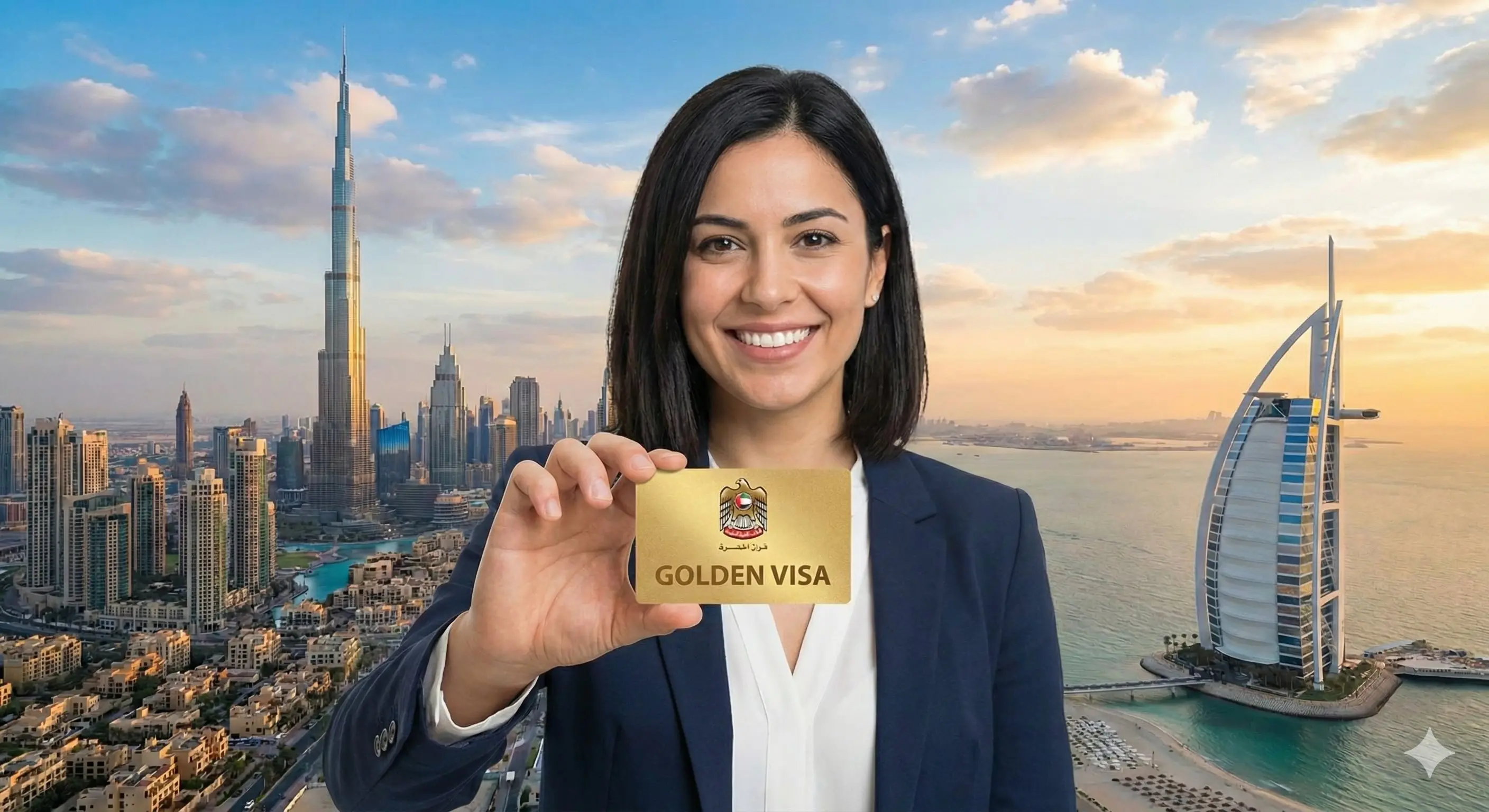
6. Golden Visa Eligibility: RAK properties qualify for the UAE Golden Visa just like Dubai properties. AED 2 million investment threshold applies emirate-wide. Except in RAK, AED 2M buys substantially more property. The combination of lower entry prices, higher yields, catalyst-driven appreciation potential, and Golden Visa eligibility makes RAK one of the most compelling opportunities in the UAE market right now.
How I’m Advising Clients on RAK?
The conversations I’m having with investors increasingly include RAK as part of a diversified UAE portfolio strategy:
For Golden Visa Seekers: AED 2 million buys significantly more in RAK than Dubai. If Golden Visa is the primary goal, RAK maximizes value. You get residency rights plus superior property for the same investment.
For Yield-Focused Investors: The 7-9% rental yields in RAK beat most Dubai locations. If cash flow matters more than location prestige, RAK delivers better income.
For Growth-Oriented Investors: If you believe in the RAK transformation thesis, early positioning captures maximum appreciation. Off-plan properties near the Wynn development offer the highest risk-reward profile.
For Lifestyle Investors: If you want a personal-use property for weekends and holidays, RAK offers beachfront access, golf course proximity, and resort amenities at half of Palm Jumeirah pricing.
For Diversification: Clients with existing Dubai holdings are adding RAK properties to diversify within the UAE market. Different appreciation drivers, different tenant demographics, but same regulatory environment. What I’m not recommending: putting 100% of UAE allocation into RAK. The smart play is balance – core holdings in established Dubai areas, opportunistic exposure to RAK’s growth potential. Think 60-70% Dubai, 30-40% RAK for a diversified UAE real estate portfolio.
The Bigger Picture: UAE as Integrated Ecosystem
What’s happening with RAK reflects a broader UAE strategy: creating a comprehensive ecosystem where each emirate has a distinct role. • Dubai: Business hub, lifestyle destination, tourism gateway, innovation center
- Abu Dhabi: Capital city, government center, cultural institutions, wealth management
- RAK: Luxury resorts, gaming destination, mountain tourism, manufacturing
- Sharjah: Cultural heritage, education, arts
- Ajman: Residential affordability, emerging tourism
This isn’t competition – it’s complementary positioning. A strong RAK doesn’t hurt Dubai; it makes the entire UAE more attractive by offering diverse experiences within a compact, well-connected geography. Investors are starting to think in terms of UAE portfolios rather than single-emirate holdings. One client recently structured:
- Primary residence in Dubai Marina (lifestyle and convenience)
- Investment apartment in Downtown Dubai (capital appreciation and rental yield)
- Villa in RAK’s Mina Al Arab (weekend use and growth potential)
- Off-plan unit near Wynn (pure speculation on RAK transformation)
This portfolio captures Dubai’s stability while positioning for RAK’s growth, diversifies across property types and locations, and balances immediate cash flow with long-term appreciation. The UAE’s scale and ambition allow for this kind of diversified approach. RAK’s evolution into the “New Monaco” is one component of a much larger vision for positioning the UAE as the Middle East’s undisputed economic and lifestyle capital.
Looking Ahead: 2025-2030
The next five years will determine whether RAK successfully establishes itself as the Middle East’s luxury resort capital. Key milestones to watch:
2025-2026: Wynn resort construction completion. First phase opening. Initial market reaction. Property values in Al Marjan Island will provide early signals of appreciation potential.
2027-2028: Wynn resort at full operations. Gaming revenue data available. Second-wave resort developments (competitors following Wynn’s lead). Population growth trends becoming clear. Infrastructure projects completing.
2029-2030: RAK’s positioning as luxury destination either validated or questioned. Property values will reflect market judgment. Tourism numbers will confirm or refute the “New Monaco” narrative. If the thesis plays out, early investors could see 100-150% appreciation over this period. Properties purchased in 2025 at AED 1,200 per sq ft could trade at AED 2,400-3,000 per sq ft by 2030. If the thesis doesn’t materialize, RAK remains a pleasant emirate with nice beaches and decent properties, but without the explosive growth. Properties might appreciate 30-40% – respectable but not transformational. My assessment: the probability of success exceeds the probability of failure, given the UAE’s track record, Wynn’s involvement, infrastructure investment, and the genuine gap in the Middle East market for a Monaco-equivalent destination. But this is an educated bet, not a guaranteed outcome.
Final Thoughts: Positioning for Transformation
RAK’s evolution into the “New Monaco” represents exactly the kind of opportunity that only emerges once or twice per decade in any market: a well-funded, government-backed, catalyst-driven transformation of an entire emirate. The UAE has proven it can execute ambitious visions. Dubai itself is proof – 30 years ago, it was a small trading port. Today, it’s a global metropolis. RAK is following the same playbook, with modern infrastructure, better planning, and the lessons learned from Dubai’s development. For investors willing to take measured risk in exchange for asymmetric upside, RAK offers a compelling proposition. Current pricing reflects the past. Future pricing will reflect the vision. The gap between these two creates opportunity. If you’re exploring RAK investment, I encourage you to visit. See the Wynn construction site. Drive through Al Marjan Island. Play Al Hamra Golf Club. Dine at the Waldorf Astoria. Get a sense of what’s being built, not just what exists today. Then consider whether you believe in the vision of RAK as a luxury destination attracting international wealth, world-class hospitality, and lifestyle-focused residents. If you do, the current pricing represents an entry point that won’t exist in 24-36 months. The New Monaco isn’t built yet. But the foundation is being poured, the resorts are rising, and the vision is taking shape. Early investors who position now will capture the transformation as it unfolds. Contact me to outline investment strategies that work for your specific goals – whether that’s diversifying your portfolio throughout the UAE, creating an offshore tax haven structure, or positioning for RAK’s growth. I’ll help you navigate the opportunities in both Dubai and RAK to build a comprehensive UAE real estate portfolio. Visit diamondtruong.com to explore properties across the UAE, and get in touch for insights on market trends, investment strategies, and emerging opportunities in Dubai and Ras Al Khaimah.